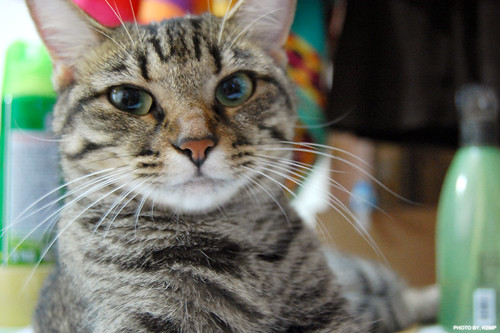
The poet T.S. T.S. Eliot once called cats a crucial element to a home, and this statement rings true today. A well-behaved, healthy kitty is a dream to your household. Unfortunately, cats aren’t always the easiest creatures to live with. Have a better time living with your cat through these tips.
Your cat’s claws can wreck havoc on your furniture. Think about a scratching post or kitty tower if your cat’s claws become a problem. Encourage them to scratch that instead. It might take a little while, but eventually it should stop the problem.
It is a good idea to microchip your cat. Indoor cats can slip out an open door. Tags and collars may be able to help you get your cat back, but cats can sometimes take these things off or they could get hung up on a tree or something. Your important information can all fit nicely on a rice grain sized microchip. Every shelter and most veterinarian offices have microchip scanners that can read the chips, and best of all, they chips can’t be lost.
Cats frequently groom themselves. Hairballs are very common for long-haired cats. To help prevent this from occurring, buy your cat special food. Some foods have special formula for hairball reduction, which will benefit you and your cat.
Male cats sometimes have crystals in their urine, but this can be prevented with the right cat food. Passing these crystals is painful and the vet bill to have this corrected is expensive. To stop this from happening, make sure your cat’s food doesn’t have much magnesium in it. Read the label. Cat food with lots of fish tends to have more magnesium, while products with lots of poultry tend to have less.
Make sure your kids know the rules before kitty comes home. Let your children know what rooms you will allow the cat to go into. They should know that indoor cats can’t go outside. Establishing these boundaries ahead of time prevents any confusion.
Brush your cat on a regular basis. This helps spread out the cat’s natural oils in their fur and stimulates blood flow in the skin. Additionally, brushing helps to expedite hair shedding. This keeps hairballs at bay, which may cause choking and build up inside their stomach from self-grooming.
Cats may make a small mess outside their litter box. It might be happening because you aren’t caring for the box good enough. Punishment can make your cat fearful in your presence.
Be sure to carrier train your cat. Dogs and cats will respond differently to punishment. Cats learn well when they feel encouraged. Placing some of your cats favorite items in the carrier can really help. Your cat will want to inspect the carrier and probably enjoy hiding inside. This takes the hassle out of traveling with your cat in its carrier.
Owning a cat can be difficult, but it can also be really rewarding. The tips you’ve read can help you build a better bond with your cat. If you have a happy cat, you will probably be happy too!